Surfaces Designed for Year-Round Exposure
Hardscaping in O'Fallon for patios, walkways, and outdoor structures that handle weather and drainage
A properly installed patio in O'Fallon doesn't develop low spots that pool water, doesn't heave during winter freeze-thaw cycles, and doesn't sink into soft ground after spring saturation—these outcomes depend on subgrade preparation and drainage integration before any stone or concrete is placed. Yard Restoration builds patios, walkways, walls, and hardscape features using stone, concrete, and timber across O'Fallon and St. Charles County landscapes where base preparation and slope orientation determine whether installations last decades or fail within a few seasons. Material compaction, engineered base layers, and drainage slope account for clay-heavy runoff and freeze-thaw movement specific to this region.
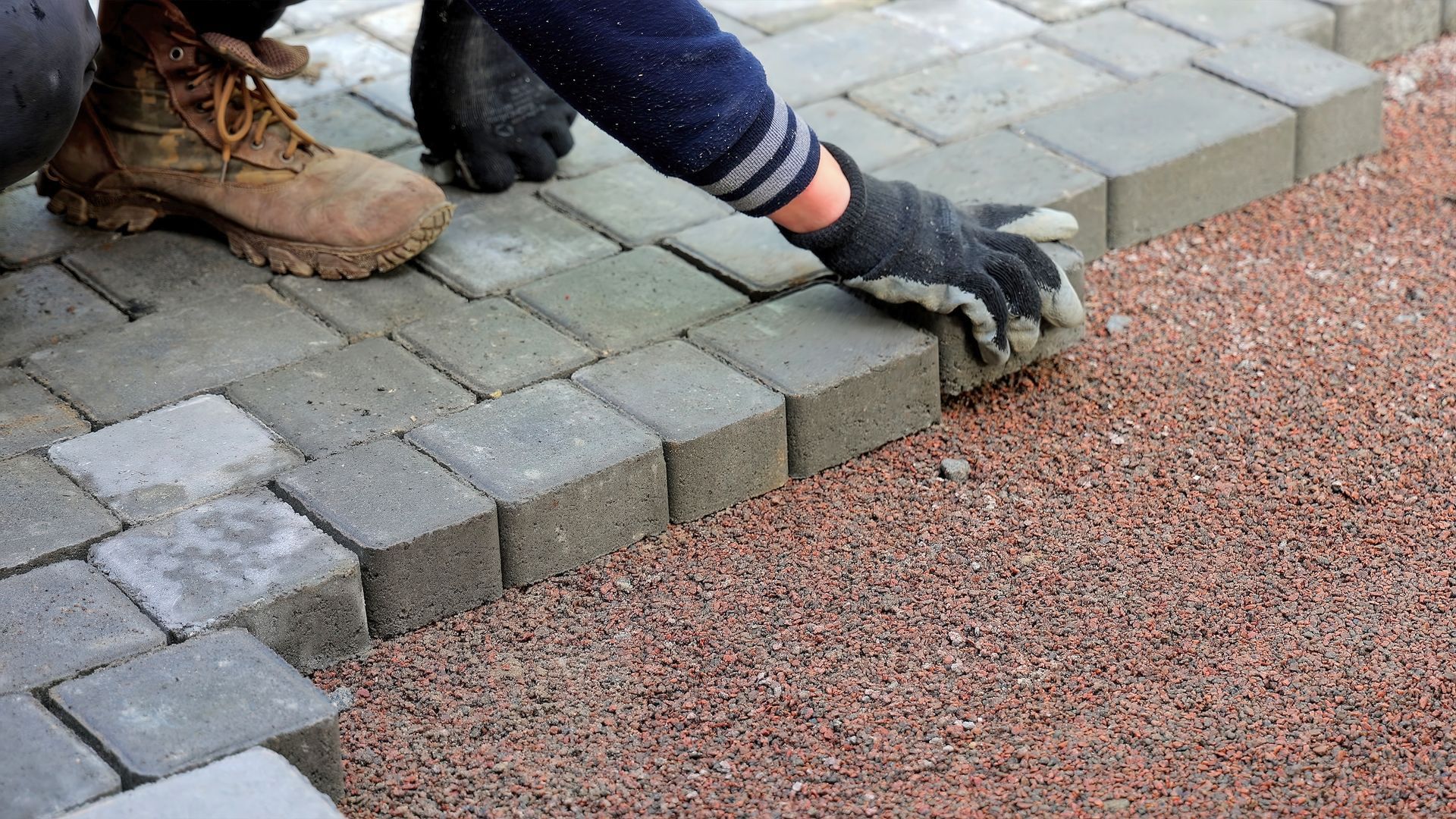
Hardscape construction involves subgrade excavation to remove unstable soil, followed by compacted base layer installation—gravel or recycled asphalt—that distributes weight and prevents settling. Material layout includes slope setting for positive drainage away from structures, with joint treatment and edge restraint appropriate for the surface type and expected loading conditions.
Arrange an on-site consultation to review base preparation and drainage requirements for your hardscape project.
How Hardscaping Addresses Site Drainage and Stability
Proper installation requires excavation deep enough to reach stable subgrade, then placement of compacted base material in lifts to prevent future settling—skipping this step or using inadequate base depth results in surfaces that sink, crack, or develop drainage problems within the first year. Slope orientation is calculated during layout to direct water away from the hardscape and adjacent structures, with grades sufficient to prevent ponding but gradual enough to remain functional.
After installation, you'll see surfaces that remain level through freeze-thaw cycles, water that drains consistently without pooling, and edges that stay secure without heaving or separation. The difference becomes obvious during spring rains—water moves across and off the surface as designed rather than collecting in low spots or infiltrating joints.
Hardscape work integrates with retaining wall and drainage solutions where site grading requires coordination between structures—this prevents water from undermining one installation while protecting another. Yard Restoration handles projects requiring simultaneous hardscape and drainage construction to maintain proper site function across all surfaces.
Common Questions About Hardscape Construction
Residential and commercial property owners typically ask about material selection, base requirements, and how hardscaping interacts with existing drainage patterns.
What's the difference between hardscaping on clay soil versus other soil types?
Clay-heavy soils in O'Fallon and St. Charles County require deeper base excavation and better drainage integration than sandy soils—clay expands when wet and contracts when dry, causing movement that cracks hardscapes without proper base preparation.
How thick does the base layer need to be?
Base depth depends on the hardscape type and soil conditions, typically ranging from four to eight inches of compacted gravel for patios and walkways—thinner bases settle unevenly under freeze-thaw cycles and seasonal moisture changes.
Why does slope orientation matter for patios?
Patios sloped away from structures prevent water from draining toward foundations or pooling against walls—even a quarter-inch per foot of slope makes the difference between proper drainage and standing water after rain.
When should hardscaping be installed relative to landscaping?
Hardscapes are constructed after rough grading and drainage systems are in place but before final planting—this sequence prevents damage to finished landscaping while allowing proper drainage tie-in.
What maintenance does hardscaping require?
Properly installed hardscapes with adequate drainage and base preparation require minimal maintenance beyond occasional joint sand replenishment for pavers or sealant reapplication for concrete—installations without proper base work require ongoing leveling and repair.
Yard Restoration operates across O'Fallon, Wentzville, Foristell, and surrounding St. Charles County areas with excavation equipment and crew capacity for hardscape projects that include drainage and grading coordination. Request a detailed estimate based on your site conditions and hardscape specifications.