Slopes That Direct Water Where It Belongs
Grading in O'Fallon for lots requiring proper drainage slopes, foundation preparation, and finished contours before construction
Water pooling on residential and commercial lots signals improper slope, and O'Fallon properties often face this issue due to clay-heavy soils that resist absorption during spring runoff. Yard Restoration provides precision grading to establish drainage slopes, prepare foundation surfaces, and create finished lot contours across St. Charles County. Survey-grade site assessment identifies existing grade problems before equipment reshapes the terrain.
Grading work involves engineered slope calculations to meet drainage compliance standards, followed by multi-pass grading that reshapes soil in layers while verifying compaction at each stage. Clay soils in the Foristell and O'Fallon area demand experience with moisture content and compaction timing—grading too wet causes rutting, while grading overly dry soil prevents proper compaction. Final grade tolerance testing confirms the site meets specifications for construction readiness.
Arrange a site assessment to review drainage requirements and current grade conditions.
What Changes After Grading Completes
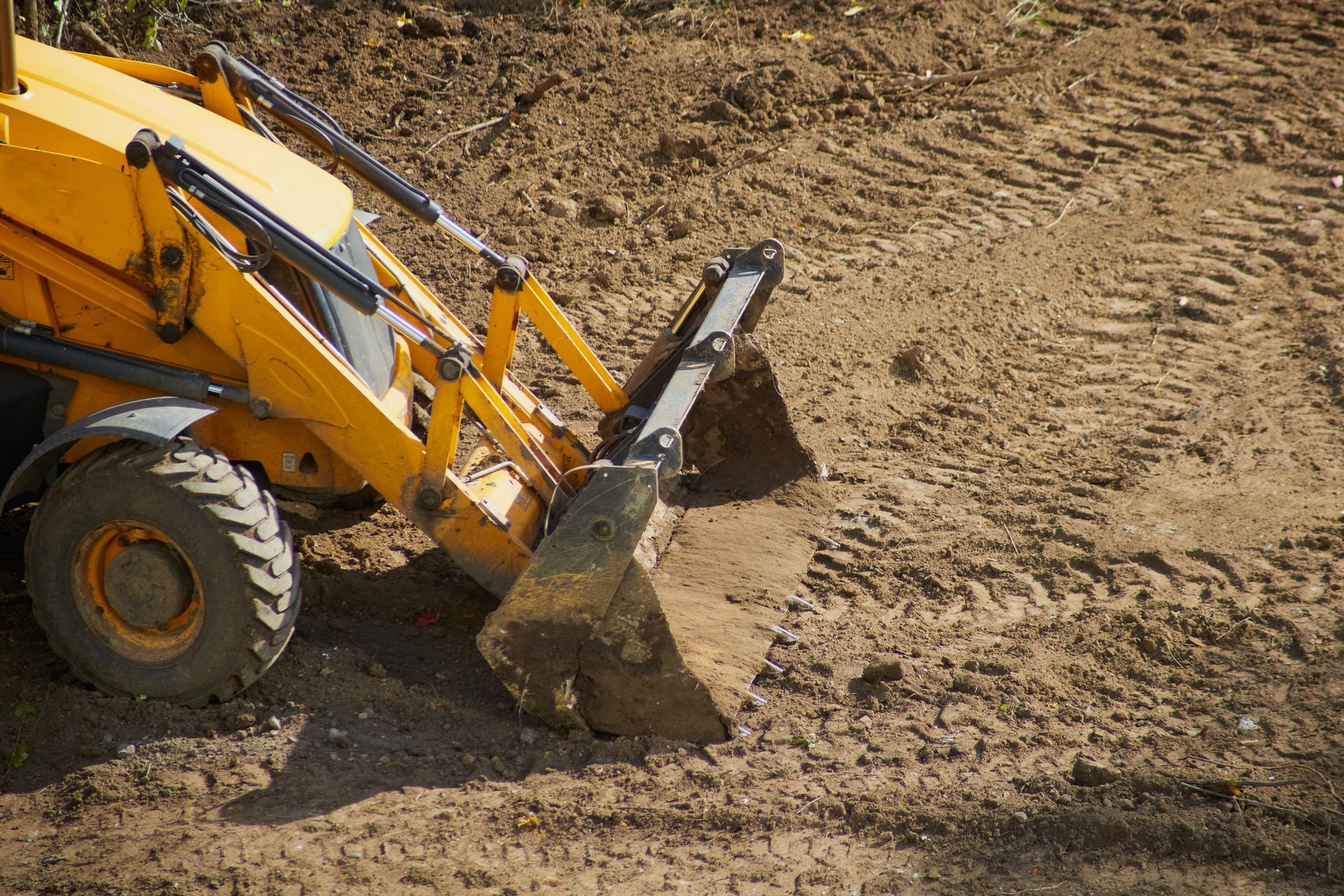
Proper grading creates visible slope away from structures, eliminates low spots where water collects, and produces a surface that sheds runoff toward drainage features or property edges. The finished lot shows consistent contour lines without abrupt transitions, and compaction prevents settling that would create new depressions after construction begins.
You'll notice water moves across the surface during rain rather than pooling in place, and foundation areas sit level within tolerances required for concrete pours or structural framing. Equipment can travel across the graded surface without sinking or creating ruts, indicating adequate compaction for the next construction phase.
Grading work pairs with drainage solutions when subsurface water movement needs management beyond surface slope adjustments. Sites with high water tables or significant runoff from adjacent properties may require French drains or retention features integrated during the grading process rather than added afterward.
Answers to Frequent Service Questions
Grading projects involve technical decisions about slope, compaction, and site preparation that affect long-term drainage performance.
How does grading address clay soil compaction in O'Fallon?
Clay-heavy soils require moisture content monitoring during grading—soil must be dry enough to avoid rutting but moist enough to achieve proper compaction, with multiple passes and roller compaction used to meet density requirements.
What slope percentage is required for proper drainage?
Residential grading typically establishes a minimum two percent slope away from structures, with steeper slopes used in areas with heavy runoff or poor soil absorption.
How is final grade verified for construction readiness?
Grade tolerance testing uses surveying equipment to confirm elevations match engineered plans within specified tolerances, typically one-tenth of a foot for foundation areas.
What happens if grading reveals underground utilities?
Utility locates are requested before grading begins, and any unmarked lines discovered during work halt equipment operation until the utility provider confirms line location and depth.
When should grading be scheduled relative to other site work?
Grading follows clearing and excavation but precedes hardscape installation, allowing the finished grade to serve as the foundation surface for concrete, pavers, or structural footings.
Yard Restoration handles grading projects across Wentzville, O'Fallon, and Foristell with equipment matched to site size and soil conditions. Request a detailed estimate based on your lot's current topography and drainage challenges.